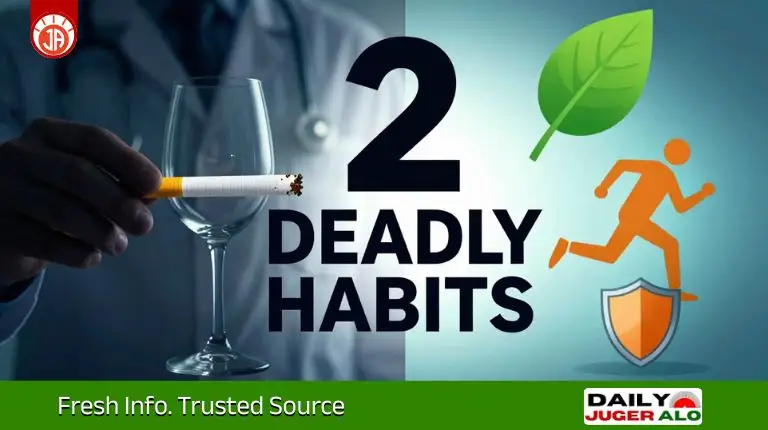
It’s easy to feel powerless against a disease like cancer, but a groundbreaking new study has identified several ways that we can significantly reduce the odds of it occurring. According to a fresh analysis from the World Health Organization (WHO), there are specifically two habits linked to cancer that remain the primary drivers of this global health crisis. 🛑
This landmark report, released just ahead of World Cancer Day by the IARC, highlights a shocking reality: more than a third of all cancer cases globally are preventable. By addressing these two habits linked to cancer along with other lifestyle factors, millions of lives could be saved through simple behavior changes and medical intervention. 🧬
Read More: Stop Buying Cheap Air Fryers! This Cosori TurboBlaze 6 Qt Review Changes Everything
What is the WHO Cancer Study 2026? Today’s Update
The world was shaken this morning as the WHO cancer study 2026 hit the headlines. This isn’t just another medical paper; it’s a comprehensive analysis of data from 185 countries. The core message? Nearly 4 in 10 cancer diagnoses are tied to preventable cancer risk factors.
The study found that in 2022 alone, there were nearly 19 million new cases. However, roughly 37% of these were related to “changeable” factors. This means that with the right information, we can stop cancer before it even starts. 🛡️
The Deadly Duo: Two Habits Linked to Cancer You Must Avoid
While there are over 30 factors mentioned in the report, two specific lifestyle choices stand out as the biggest killers. If you want to lower your risk, these are the areas to focus on:
1. Tobacco Smoking (Smoking and Cancer) 🚬
Tobacco remains the undisputed heavyweight champion of preventable causes.
- It is linked to 15% of all cancer cases globally.
- For men, the numbers are even scarier: smoking contributes to 23% of all new cases.
- It’s not just lung cancer; it affects the mouth, throat, stomach, and bladder.
2. Alcohol Consumption (Alcohol Cancer Link) 🍷
The second of the two habits linked to cancer is alcohol. Many people think a “glass of wine” is harmless, but the data says otherwise:
- It accounts for 3.2% of all new cases (approx. 700,000 people annually).
- It acts as a toxic trigger for liver, breast, and esophageal cancers.
- Alcohol breaks down into acetaldehyde, which directly damages your DNA.
Preventable Cancer Risk Factors: Data at a Glance (Table)
| Risk Factor | Impact (%) | Primary Targeted Organs |
| Tobacco Use | 15% – 23% | Lungs, Throat, Mouth |
| Alcohol Intake | 3.2% | Liver, Breast, Colon |
| Infections (HPV/Hep B) | 10% | Cervix, Liver |
| High BMI (Obesity) | 3% | Kidney, Pancreas |
| Air Pollution | Regional | Lungs |
How to Lower Your Risk: Pro Cancer Prevention Tips
Prevention is always better than cure. Based on the WHO cancer study 2026, here are the most effective cancer prevention tips you can implement today: 🛡️
- Kick the Butt: Quitting smoking is the single best thing you can do for your longevity.
- Limit Alcohol: If you can’t quit, drastically reduce your intake to stay below the danger zone.
- Get Vaccinated: Don’t ignore the HPV and Hepatitis B vaccines. They are lifesavers.
- Move Your Body: Just 30 minutes of daily activity can lower your BMI and reduce cancer risks.
- Eat Real Food: Swap processed meats and sugary drinks for fresh greens and antioxidants. 🥦
Infections and Environmental Pollution: The Hidden Killers
The WHO cancer study 2026 didn’t just look at habits; it also focused on infections. Among women, the largest share of preventable cancers was due to human papillomavirus (HPV). Thankfully, we have a vaccine, yet many parts of the world still have low coverage. 😷
Furthermore, air pollution is now a major driver of lung cancer in non-smokers, especially in East Asia and Northern Africa. This highlights that while we control our habits, we must also advocate for cleaner environments.
Step-by-Step Guide to a Cancer-Preventive Lifestyle
If you are ready to take control of your health, follow these steps:
- Step 1: Assess your habits. Be honest about your smoking and drinking frequency.
- Step 2: Schedule a check-up. Ask your doctor about HPV screening or vaccinations.
- Step 3: Clean your diet. Focus on fiber-rich foods which help flush out toxins.
- Step 4: Stay active. Aim for 150 minutes of moderate exercise per week.
- Step 5: Monitor your environment. Use air purifiers and avoid exposure to industrial chemicals.
Frequently Asked Questions (FAQ)
Q1: Can cancer really be prevented by changing habits?
Yes! The WHO cancer study 2026 proves that about 40% of cases are directly linked to lifestyle and environment.
Q2: Are the two habits linked to cancer equally dangerous?
Smoking is statistically more dangerous (15% impact) compared to alcohol (3.2%), but combined, they create a massive risk.
Q3: Does the HPV vaccine work for adults?
While most effective for teens, adults up to age 45 can still benefit. Consult your physician.
Q4: Is “vaping” safer than smoking?
The study focuses on tobacco, but experts warn that any inhaled chemical increases inflammation, which is a precursor to cancer.
Q5: How does obesity lead to cancer?
High BMI causes chronic inflammation and changes in hormone levels (like insulin), which can trigger abnormal cell growth.
Conclusion
In conclusion, the WHO cancer study 2026 serves as a vital wake-up call for the global population. We are not entirely at the mercy of genetics. By understanding the two habits linked to cancer—smoking and alcohol—and taking proactive steps toward a healthier lifestyle, we can rewrite our future health stories. 🌍
Breaking free from these habits isn’t just about avoiding a diagnosis; it’s about reclaiming your energy and vitality. Start today, because every small change counts in the fight against cancer. Stay informed, stay healthy, and share this knowledge to save lives! ✨